Latest articles

Here are our latest articles. Check them out!

Jan. 24, 2021

Is investing in a studio apartment a good idea? | Eloy Villamil and Team

The demand for studio apartments is rising every day in different cities in the world, because they tend to have reasonable and affordable prices, plus a nice space to live in. These are usually one big room with a bathroom and a kitchen. So, basically it is design to have everything you need in a home in one unit. It is not the same as a one-bedroom apartment. Since these spaces (one-bedroom apartments) tend to have higher prices and are also larger when it comes to size.


Studio apartments are also known as bachelor apartments and efficiency apartments. These kind of apartments are usually between 300 and 500 sqft in size. Therefore, it is considered to be the perfect choice for students or young couples who just got married. Because they are simple, affordable and are usually located in vital areas.


As the attractive choice studio apartment are, not only for homeowners but also for renters and real estate investors, this type of housing is getting more and more popular. But it is not perfect for everyone. So, is this type of property a hit or a miss? Here are the pros and cons of investing in studio apartments:


The pros of studio apartments


If you want to invest in a studio apartment, you need to plan ahead what you want and what your goals are. A well designed studio apartment can be a really good investment opportunity, according to many experts. This is because these apartments tend to be close to downtown, universities and transportation. So, always keep in mind that renters seeking studio apartments are willing to sacrifice the little space for the great location. Try to choose the one unit wisely in order to keep the studio apartment in demand.


Usually, one-bedroom or even two bedroom apartments make lower rental incomes than studio apartments. The rental income is often up to 1.5% higher than other apartments. So, so that is great for you as an owner! Studio apartments have another positive financial aspect. As a real estate investor studio apartments are a low-cost asset. Therefore, the great thing about this is that you would have a low stamp duty and sometimes none at all, depending on the price of the apartment. 


Such affordable housing is considered to have good capital-growth over the years. Of course not as good as with bigger units, but it is still a good investment. Plus, small space comes with less maintenance job to do, cheaper design and furnish. Besides that, a studio apartment is easier to sell, in case you decide to do so, especially in huge cities where the population demand this type of housing.


The cons of studio apartments


The downside of investing in studio apartments, just like owning any other rentals, is that a studio apartment for rental purposes lacks liquidity; you can’t just cash out the money you have invested, not whenever you want. So, if you are tight on the budget, this could be not such a good idea.


Another downside is dealing with renters because it can consume a lot of time and energy. Also collecting the rent. Especially if you are not a full-time landlord. You need to be prepared for everything: rental contracts, late payments, how will you cover your loans when this happens... So, you must be prepared for unforeseen expenses such as a water leakage.


Of course, any real-estate investment comes with a certain risk, but it all depends on what you are truly seeking in an investment. It depends on your financial status. So, plan an investment strategy and stick to it. Investing in studio apartments has many pros. However, it is a matter of planning and making the right choices. Especially, when it comes to the city and the location of the studio apartment since it plays a major role in determining whether the investment is going to work for you or not.


Firs time looking for a home? Check out or article on finding the best neighborhood for you.

Beautiful studio apartment

Posted in Buying
Jan. 22, 2021

How to find the best selling properties? | Eloy Villamil and Team

When it comes to buying a property in the United States real-estate market, every state is different. However, finding a home to buy can be pretty much done almost the same in anywhere in the United States. And real-estate agencies include the essentials in order to help you find what you are looking for. 


Websites

One way of finding selling properties is through Internet. Almost 80% of the people that want to buy a home, start their research by navigating through websites in order to find them. At the end of the day, real-estate websites include all the information a buyer needs to have firsthand. 


So, most property websites tend to work on a state, rather than working on a national level. Therefore, the best thing a buyer can do is to search online for websites that are specific to their state.


Real estate agents

Real estate agents in the Unite States have to be licensed and become familiar with all the rules and regulations when it comes to buying and selling of property. Most importantly in their state. That means that when you decide to hire a real estate agent, you are hiring an expert. You are hiring a person that is well positioned to help you through every single step of the way when buying property.


In this case, a commission needs to be paid by the buyer. Why? Because the commission is actually included in the sales price of the property. In fact, the buyer has to cover the cost in cases where the seller did not sign an agreement to pay a commission and this can be as high as 6%. 


Neighborhoods

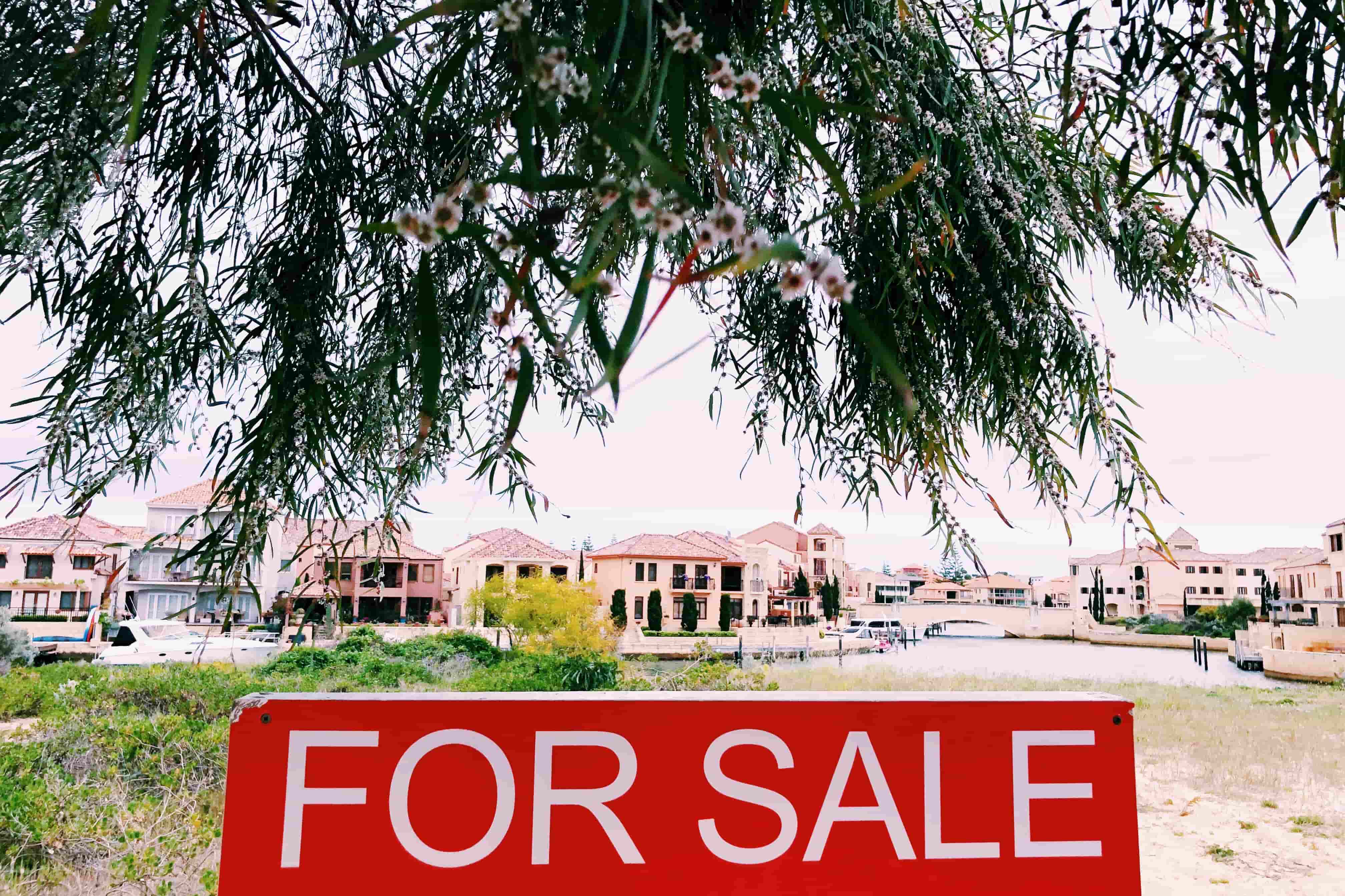
Another way to find the best selling properties is whenever you see there is a neighborhood that you like, or even been loving for a while, then it is worth driving through it to see if there are any properties for sale. This is because very often sellers can put ‘for sale’ signs before contacting a real-estate agency in order to test the market and potential buyers. And then proceed to advertise their home. 


Newspapers

Also, your local or state newspaper can help you find what you are looking for. A newspaper is full of property classifieds that are added either by real estate agents or even sellers themselves. To get the freshest listings, then make sure you read the newspapers that come out each Sunday. Because this is the day that has the highest circulation. At least for most local newspapers, this is when new classifieds usually appear.


Just remember that, in order to make sure that you get to view the house before anyone else does, you have to contact the real estate agent or seller immediately. In case you see one you like on a Sunday, you can still try to call them because some do work. 


Personal contacts

Last but not least. If you have already made some contacts in your new home country, then use them to learn if they know about some selling houses in their own neighborhoods. It is worth the try. This works the same as the one tip about driving through neighborhoods. Not only do you get to be one of the first to see the house or apartment, but also in case you decide to buy, you could be one of the first options for the owners and/or the sellers.


Do you want to find the best rental properties instead? Then check out our newest article on rental properties and learn everything you need to know about finding them.  

Proprieties for sale

Posted in Buying, Selling
Jan. 18, 2021

How to find the best rental properties? | Eloy Villamil and Team

How to find the best rental properties? This is one of the most recurring questions in real estate. Because finding a good rental property is somewhat challenging. In this article, you will learn how to find the best rental properties to invest in and the first step is research. 


How to find the best rental properties: Online research


Well, the first step can be researching online. Since the internet has an unlimited selection of real estate websites just like ours that allow people to find what they are looking for. 


These websites help to find all sorts of investment properties. From commercial properties for rent, through single family homes for rent, to apartment condos for rent. This means that if you have a specific request in mind, then for sure you can find more info in our webpage. 


How to find the best rental properties: Real estate market research


This kind of research is also known as RMA: Rental Market Analysis. This is a process that help real estate investors. How? It assess the rental potential of a specific property market. So, how do you conduct a RMA


1- Evaluate neighborhoods: evaluating different neighborhoods will help you find a “good” one. Which is a subjective statement. The first step is to assess different areas in general. If you need help with this, some factors to include when evaluating a neighborhood are the following: the accessibility to the are, the school’s area, nearby amenities and the businesses.


2- Find properties in order to compare them: in order to calculate the average rental price per square foot, it is necessary to identify rental comps. You just have to start looking for properties (at least three) with more or less the same characteristics, like size and condition or even the number of bedrooms. 


3- Calculate the price per square foot: use rental data in order to calculate the average price per square foot of rental comps. Because all properties are different, you have to make adjustments in order to account these differences. 


4- Determine the listed property’s cost: the cost of these properties can be determined by a quick analysis of the neighborhood housing inventory. Based on the average rent per square foot, you can easily find out how much rent to charge for a property. Therefore, a positive cash flow property will eventually have a lower monthly cost than the rental income.


How to find the best rental properties: What to look for


It is very important to know how to measure an investment performance and how it projects its return, so that you can exactly predict what to expect when investing in a rental property. 


As an investor in real estate, it is possible that you will eventually come across with several real estate metrics. These are the ones that can determine the profitability of a property investment. 


The most important metrics to keep in mind, are the following three:


  • The capitalization rate: this kind of rate is a ratio, the quantitative relation between two amounts that express the profitability of a real estate investment by dividing its NOI (net operating income) by its current market value. The capitalization rate, or cap rate, is considered to be the purest form of rate of return. This is because its calculation is independent of the financing method. Why? Because, generally, a higher cap rate equals a higher return on investment.
  • The cash flow: in this spectrum we have both positive and negative cash flows. The positive cash flows properties are properties which have lower operating costs than the rental income. So, a well-informed real estate investor can actually turn a negative cash flow property into a positive one. Even if it is advisable to look directly to invest in properties with a positive cash flow. 
  • The occupancy rate: this rate is the percentage of time a rental property is occupied or the percentage of time a rental property is leased out to a tenant. This metric is important especially to investors who are interested in short-term rental properties. Long-term rental properties require other strategies.


Do you know what a down payment is? Check out our article on down payments and learn everything you need to know about it. 


Rental house mini version

Posted in Buying
Jan. 17, 2021

What does pending mean in real estate? | Eloy Villamil and Team

In the last blog, we talked about home contingencies and one of the terms we used was: pending listing. So, what does it mean in real estate? That is what we are going to explain in depth in this article.


A home in a pending listing means that the house is not currently for sale. Because, depending on the state you are, you have accepted an offer and are still negotiating contingencies. Or it can also mean that you have accepted an offer and you just need to complete the paperwork in order to close the deal.


So, if a pending status of a house for sale means that the seller has accepted an offer from a homebuyer. Is the deal going to be closed? Well, during this period of time in which a home is listed in the pending listing, there are chances that the selling of that home is going to happen, or maybe it will not. There is always a chance to make the right moves before a deal closes, so that you can make your offer and see how it goes. 


Can I still buy a house that is on a pending list? 

Well, in case you fall in love with a house listed as pending, just try to keep an eye on it. Because there is still a good chance you could become it’s owner in the future. 


If a pending listing is not closed yet - we do not want to be negative but - there are changes that something goes wrong. Such as: a home inspection or other contingencies. So, the home could change its status from a pending to an active one. And you could have the chance to make an offer and purchase your dream house.


How can I improve my chances to buy a house on a pending list? 

Here is a list of 3 things you can do in order to improve your changes in case you want really bad a house on a pending list:


  1. Talk to one of our real estate agents: this is why we are here for. To help you. Take your time and call one of our real estate agents in order to receive some guidance and help. A real estate agent can act on your behalf in order to let the seller know you want they property. At the end of the day, the best offer wins. Just make sure that you tell the agent how much you want it and any other information that will help you be the first one they call in case the other buyers backs up.
  2. Negotiate: if you really want that house, it is in your hands to do whatever it takes to make it happen. Always try to negotiate on your behalf, so you end up paying what you are financially comfortable with. Make it convenient for you but fair and attractive to the seller. You may also want to agree to waive contingency fees including closing costs or even mortgage payments. Being flexible is also one of the most important things to consider when making an offer on your dream house in pending status. 
  3. Get personal: so, if a pending house is really your dream home, then you definitely need to put yourself out there. Talk to your real estate agent so they can help you communicate more effectively to the home seller. So they know how much you want their house. A true human connection is always going to make it easier for the seller to relate to you and feel the desire to meet your needs.

Do you know what contingent means in real estate? Check out our new article about house contingencies.

Closing a deal on a house - singing contract

Posted in Buying
Jan. 17, 2021

What does contingent mean in real estate? | Eloy Villamil and Team

In a house or apartment sale, you will always hear about the word “contingent”. But what is it? In real estate, contingent indicates that a seller has accepted a buyer’s offer. Including some specific requirements, in order to close the deal. 


The most common contingencies are: inspection contingency, appraisal contingency, home sale contingency and financing contingency. We will explain them below:


Inspection contingency

This is an inspections buyers offer in order to protect their interest. This way, they can make sure everything is correct. In case there is something wrong, then buyers can use it as leverage to negotiate a better deal. If this happens, then you can agree to complete some repairs. But if both sides do not come to an agreement, they are free to walk away from the home sale. 


Appraisal contingency

In this kind of contingency, the home appraisal has to be equal or higher than the buyer’s offer in order to close the deal. Why? It is simple. If the appraisal is too low and the buyer wants to negotiate an even lower price.


Home sale contingency

A home sale contingency means that a buyer will buy your house only when they sell their house. So, in this case you have no control over their sell, and so no control over yours.


Financing contingency

This contingency is also known as a mortgage contingency. This is usually done to protect both the home buyer and the seller.  


Negotiating a contingent offer

Always negotiate in your terms in case you decide to accept an offer with a home sale contingency. Usually, you’re required to provide a notice to the buyer in order to give them a chance to lift the contingency. If they do not do so in time, you can terminate the agreement and start negotiations with a new buyer.


Contingent listing

This is the way a seller lets buyers know they have accepted their offer with contingencies. So, the home is in an active listing. This means that a seller can collect different offers with an active status. Until they find the perfect buyer to change the status from active listing to pending listing. 


Pending listing

A pending listing status, depending on the state you are, can mean that you have accepted an offer and are still negotiating contingencies. It can also mean that you have accepted an offer and you just need to complete the paperwork in order to close the deal.


What happens to my listing status in case of accepting an offer with contingencies?

So, when you accept a contingency offer and you change status, it means that your house is no longer in an active listing, so your days on market will be over. However, you can still accept other offers from possible buyers, in case the current buyer backs up.


How can I protect my home sale from contingencies?

Well, the best way to avoid contingent offers is simple: you just have to sell your home to a cash buyer. Why? Because cash buyers are ready, but most importantly willing to pay, as fast as the same day without a lender. Another way is to sell your house off-market. When you sell your home off-market, you pass appraisals and buyer loan approvals. And skip directly to closing deals.


For any seller, a contingency equals risk. Because as a home seller, to see “contingent” in an offer can mean delays. This does not mean that they are not great, but it will be and uncertain process to go through during the sale.


Do you know how much to save up in order to buy a house? Check out this article and we will explain everything you need to know about it.

home sale

Home sale

Posted in Selling
Dec. 15, 2020

What is a down payment? | Eloy Villamil and Team

Buying a house doesn't have to be scary at all. As long as you know the basics. For example: how much money do you have to save up? What impact will have a loan in your credit score? What is a down payment?

A down payment, also known as a deposit, is one of the first steps done when buying an expensive good or service, often in cash. In this real estate context, this type of payment represents a percentage of the full house’s sales price.

Sometimes, the down payment is not refundable. In most cases, homebuyers make payments between 5% and 20% of the total value of the home and often combine it with the help of a mortgage.

How does it work? 

Down payments help home buyers to decrease the amount of interest they have to pay over the lifetime of the loan they ask for and it also provides the lender a degree of security.

In the United States, what is most common it to pay a 20% down payment on a home. Less than that it just increases expenses for the lung run. That being said, there are some situations where larger down payments are necessary, such as in co-operative properties.

For many first-time home buyers, the down payment is their biggest obstacle to homeownership. That is why they often turn to loans with minimum down payments. But many of these loans require borrowers to purchase a private mortgage insurance (PMI).

So, PMI is paid to a private insurance company and it is paid monthly. However, if the home buyer puts down a 20% down payment, then they can avoid paying mortgage insurance premiums (PMI).

Interests 

When a home buyer makes a down payment on a purchase and uses a loan to pay what is left. It instantly reduces the amount of interest they have to pay later on. For example, if $200,000 is borrowed on a loan with a 5% interest rate, the interest owed will be $10,000 in the first year alone.

Instead, if the down payment is $40,000, only $180,000 needs to be borrowed. As a result, during the first year, the interest is only $8,000, saving $2,000 in the first year.

Monthly mortgage payments 

A down payment can help a home-buyer to reduce the monthly payments on loans. Many financial experts agree that having a down payment is good. This is because it reflects that you are ready to own a home.

If you can do what you have to do in order to amass a down payment, even if it means sacrificing some hang outs to manage it’s expenses. Then you may be ready to compromise yourself to monthly mortgage payments, maintenance costs and property taxes.

Special Considerations 

Down payments offer lenders a certain degree of security. If a home buyer has invested in it, then they are less likely to default on the loan. So, thanks to that assumption, mortgage lenders may offer lower interest rates to borrowers with large down payments.

Why mortgage lenders require a down payment?

Very few mortgage programs allow zero-down financing. Requiring a down payment on a home reduces different kinds of risks to lenders:

  • As we said before, home buyers with their own money invested are less likely to default on their mortgages.
  • In the case the lender has to foreclose and sell the property, it may not be sold on its entire home’s value price. Therefore, it can limit its potential losses if the property is sold for less than the remaining mortgage balance.
  • And saving up some money for a down payment requires discipline and preparing a home buying budget. This can set up borrowers for successful homeownership.

Do you want to sell a house but you have doubts? Check out this article on FAQ’s for first-time home sellers.

Down payment for a house

Posted in Buying
Dec. 15, 2020

How to make an offer on a house | Eloy Villamil and Team

Putting an offer on a house can be complicated if you are a first-time buyer. And even if you have bought a home before, it is still a stressful process. The steps you should follow to make it easier, all depend on your local real estate market. When you’ve found a house you love, here’s what you need to do to put your offer in, so you make it your future home.

Putting an offer on a house

Making an offer on a home is a process filled with too many emotions: mostly hope, excitement and anxiety. Here is how it goes down: 

Finding the right home for you

It is essential that, before you make an offer on a house, you find one that is worth it You have to find a house that has everything you may need and want. So, review all the listings that your real estate agent gives you, in order to discard homes.

Be practical 

You need to run some numbers before you do anything. You have to secure your down payment, your taxes costs, moving expenses... Do you have a mortgage? You also have to be sure you can pay it along the years. 

Determine your offer price according to your budget

Make a lower offer than the price you are willing to pay, in case you need room to negotiate. Always remember your budget. You also need to determine a date to close the deal and what contingencies you will be including in the offer. These two factors are deciding factors inside a competitive market Where multiple offers are put in.

Pun in an offer

Your real estate agent can help you with this. They will draft this offer for you and you have to sing it before it is submitted. This way, the document will become legally binding if the seller accepts your offer. And if they love the offer, you will be buying your new home.

Seller’s reply

After reviewing your offer, the seller might accept it or not. In case the answer is no, then you can start negotiating process. If the seller accepts your offer, they will sign the purchase and sale contract we were talking about before. If they decline your second offer, then the negotiation process ends.

But do not worry. It is very common for the negotiations to go on for a few rounds, providing both seller and buyer counteroffers back and forth. Listen to your real estate agent’s advice. And do not forget that you are not only negotiating the price of the house, but you might also find yourself negotiating repairs, contingencies and closing timeline.

What does an offer contain?

Even if some data can vary depending on where you live, there is some basic information that can be found in all property purchase offers:

  • Property address
  • The buyer’s name
  • The seller’s name
  • The property address
  • The offer price
  • Credits, in case you request them as part of the offer 
  • The offer expiration date
  • Some contingencies like financing, home inspections or home appraisal
  • A proposed closing date

What to offer on a house so the seller accepts?

The best way to submit an offer that the seller finds attractive, is by offering what they are asking for the home’s sales price. But, in a competitive market, you will probably need to offer a little bit more than that. 

Not every house is priced correctly, therefore not every house will sell for the initial asking price. So, before you go out of your budget, consider some non-price-related ways to strengthen your offer. As we said before, listen to your real estate agent’s advice.

Do you know how much to save up in order to buy a house? Check out this article and we will explain everything you need to know about it.

House offer - keys

Posted in Buying
Dec. 15, 2020

How much money do I need to save up to buy a house | Eloy Villamil and Team

Since buying a house can come with a lot of hidden expenses, here is the answer to one of the most asked questions when it comes to buying proprieties: How much money do you need to save up to buy a house?

A smart way to start is considering getting a mortgage. In this case, you’ll need to save up at least 25% of the house’s sales price just to cover a down payment. This also helps you to cover the closing costs and moving fees.

The percentage are more or less like this: 20% for down payment, 4% for closing costs and 1% for moving expenses. Does it sound too high? It is because it’s the ideal quantity.

Nowadays, most buyers can only save up around 15% and the number one reason is because of student loans, followed by credit card debt and car loans. So, what you got to do is customize your budget to buy a house.

House-Buying Budget

First of all, you have to try and get rid of your debt or at least as much as you can. Second, you need to have an emergency fund. And the next thing you need to do is do the math to come up with a house-buying budget.

Down Payment

The recommend amount is saving at least 20% of the total house price to avoid paying PMI. Any down payment that is less than 10% is too low. Why? Because in the long run, you’ll end up paying much more money in interest and fees.

Closing Costs

Closing costs are typically around 4% of the home’s sales price. This refers to fees that help to officially close the deal. It includes a home inspection and other loan-related fees like paperwork fees, prepaid insurances and taxes.

To break it down a little bit more:

  • Home inspection: is when an expert examines a potential home from top to bottom. The objective is to warn you of any issues or maybe damages that that home has, before you buy it. It usually costs about $300–400.
  • Home appraisal: this determines the home’s value. It is a way for your lender’s to make sure the home is worth the amount of money they are loaning you.
  • Title fees, taxes and loan origination fees: these are more difficult to calculate because they vary based on where you are buying a house. These can each cost at least 1% of your home’s sales price.

Moving Expenses

Unless you get all the help necessary from your friends and family, plus enough pickup trucks, you will probably need to save up some money for moving expenses.

So, these kind of expenses cover from renting moving trucks to hiring a moving company, and are usually around $650 and 1,800, in case it is a local move.

Buying a house in cash. Is it okay?

Now you know how much money you need to save up to buy a house with the help of a mortgage. But what if you can pay the whole home’s sales price with cash? Yes, all of it. Then you’ll have some benefits:

  • For instance, you will be more attractive to sellers. Since you can pay everything in that very moment, sellers will likely choose you over the competition. 
  • Therefore, you will enjoy a faster home-buying experience.
  • You will be cutting out the length of loan-approval processes.
  • You will also avoid decades worth of interest fees.
  • You will skip extra loan-related fees.
  • And, of course, you will have no mortgage payments.

So, the answer to: is it okay to buy a house in cash? Is yes! And it is totally worth it if you can buy your home without touching your emergency fund or sacrificing other financial goals.

Do you want to know where to bicycle a house? Check out this article on how to choose the best neighborhood.

Buying a house - keys

Posted in Buying
Dec. 13, 2020

FAQs for first time home sellers PART 2 | Eloy Villamil and Team

The home buying process may come with many frequently asked questions, but for home sellers the process is no different at all. Whether you have or have never sold any home, the questions are the same.

The top frequently asked questions from home sellers begin before even starting the process. So, if you’re going to sell your home, then we suggest you are prepared by asking the right questions.

You need to know what to ask to a realtor when selling your house, so take a look at this article. Our team will help you understand everything you need to know. So what are the most frequently asked questions from home sellers? PART 2

Can I know my home’s worth from internet?

You probably know already the answer to this question. In case you have any doubts, the answer is: NO. There are some websites, commonly referred to as third party real estate websites, that provide estimates of home values.

These websites only provide a false sense of hope and frustration. Because most of the time it is just not going to be the real worth of a home. So, it I s extremely important that when you decide to sell a home, the value is determined by a top real estate agent and not an internet website. That is why you have us In your team!

Should I price my home higher to leave room for negotiations?

Many home sellers believe this is a good pricing strategy. So there is a chance to negotiate low-ball offers. But, a well priced home will get sold just fine. Doing this is not necessary at all.

A seller who prices their house too high can actually be costing themselves more money than if they priced it to reflect what is suggested in the market value.

Should I be present during my home showings?

Well... The answer is: NO! And there are many reasons why you, as a home seller, should not be present during your home showings. But the reason number one is: So your potential buyers do not feel uncomfortable.

It is important they can talk open and freely with their real estate agents about your house: their potential new home. The best you can do is to leave before the scheduled showing and come back once the buyer and their real estate agent have left your home.

What is a home sale contingency?

A sale contingency is a clause included in an offer to purchase a home or in a real estate sale contract in order for buyers to know if the house they want to buy is suitable to what they need.

A sale contingency also means that this potential buyer of your home must sell their existing home, before being able to purchase their new one.

How do inspections work?

Inspections are a common contingency that buyers make before purchasIng or offering what they are willing to pay for a house. Of course, there are different types of inspections and in most cases, these are at the expenses of that same buyer.

There are other tests that a buyer has the right to perform on a house. But they have a specific number of days to complete them and a specific number of days to remove them.

The above FAQs from home sellers are all okay. So, you do not have to worry. There are no dumb questions. The reality is that selling your home is not an activity that frequently done. So make all the questions you need to be fully prepared and well educated on the home selling process.

Do you want to know more about this topic? Take a look at this article on FAQ for first time home sellers PART 1.

Home selling in a mini scale

Posted in Selling
Dec. 7, 2020

FAQs for first time home sellers PART 1 | Eloy Villamil and Team

The home buying process may come with many frequently asked questions, but for home sellers the process is no different at all. Whether you have or have never sold any home, the questions are the same.

The top frequently asked questions from home sellers begin before even starting the process. So, if you’re going to sell your home, then we suggest you are prepared by asking the right questions.

You need to know what to ask to a realtor when selling your house, so take a look at this article. Our team will help you understand everything you need to know. So what are the most frequently asked questions from home sellers?

FAQ’s for home sellers

The following frequently asked questions cannot be answered with general answers. Every real estate market is different, so the best time to sell a house will be different depending on the real estate community you are.

When is the best time to sell my house?

Usually, the spring months are the best time to sell a home. Meanwhile, in some cases, selling a home during the fall and winter months actually may be better. Therefore, it varies from community to community.

Since every home sellers situation is different, you should discuss this topic with your realtor agent. Because at the end of the day, it is a combination of many factors that include low competition and a good buyer.

What steps should I take to prepare my home?

Before listing your home for sale, you need to know how the process goes. And the first step is to prepare your home so you have an advantage whenever a buyer shows up.

When selling a home you must be sure that your home‘s first impression presents itself in the best light. Here are a few tips: keep your rooms freshly painted, install new carpets, cut the lawn... these are just a handful of things that should be done to prepare your fine for sale.

How long does the listing last?

When it comes to the length of listing agreements, every real estate agent will have a different answer. One thing to keep in mind when asking about this topic is the average days a house lasts on the market. In this case, the more days it is on the market, better the results. 

What to say to potencial buyers?

When selling a home, you need to know what to say to potential buyers. So, it’s important that you disclose anything you are aware of in your home to them. Such as defects on the roof or maybe a defect on the home entrance. You’re always going to be better off being upfront.

Also, whenever possible, try fixing them before your house goes into the market. So you can avoid potential issues once your home is under a contract or have sold it.

What is my home’s worth?

This is one of the most important factors a home owner needs to know: how much their home is worth. And this frequently asked question is one of the best perks to owning a home because it can help you improve its final price.

How do I respond to low offers?

When selling a home, you need to think of it as a business decision and not an emotional one. Low offers may happen and you need to know how to deal with them. Unfortunately.

So, sometimes not answering to a low offer can actually be bad for you, because you are missing out on closing a deal or a new deal. Ultimately, a counter offer, is better than letting a potential buyer walk away.

You are a buyer? Don’t miss the article on 10 tips for first time buyers.

Home sellers


Posted in Selling